Serving Palo Alto, CA and surrounding areas. (650) 509-3392
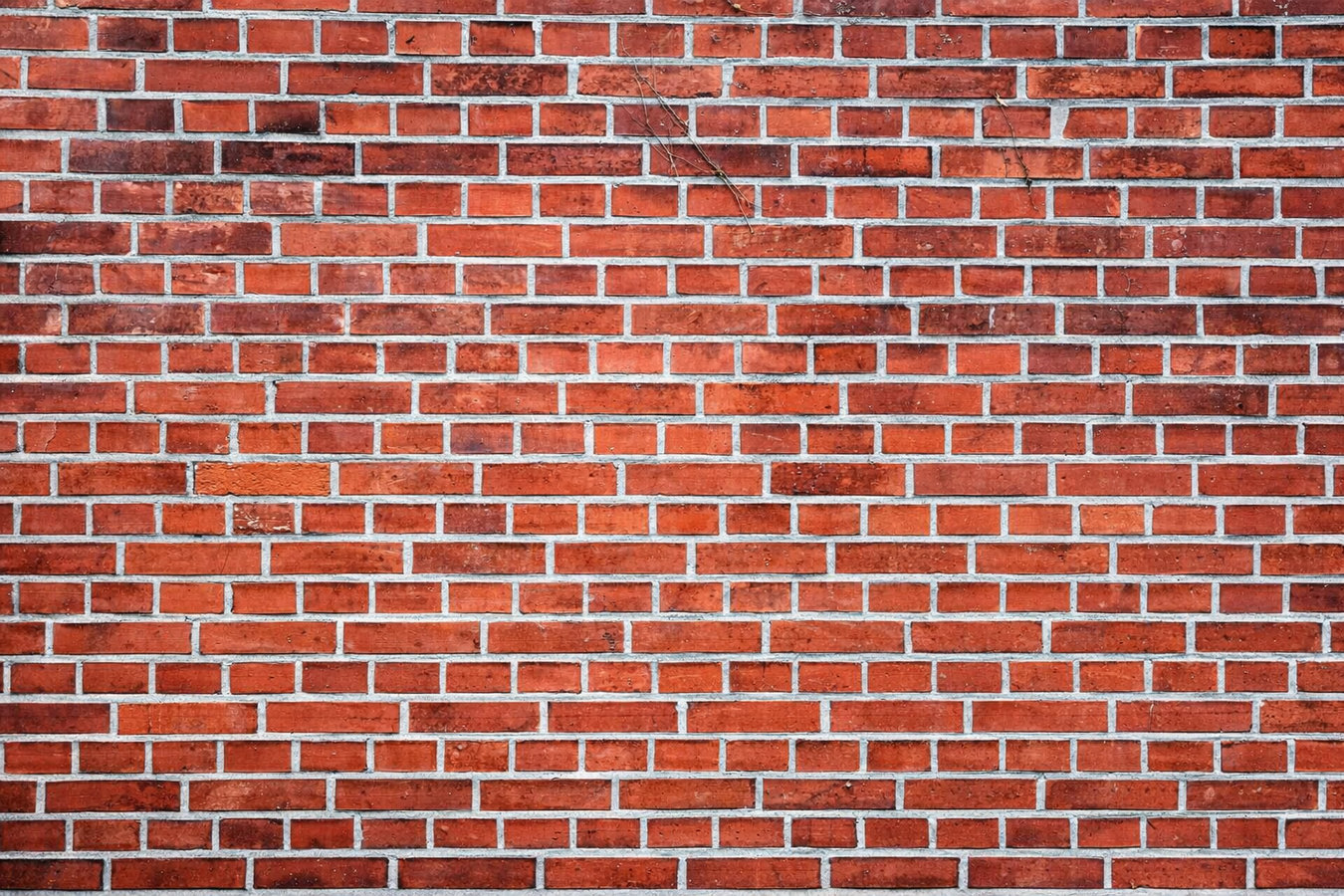
Crumbling mortar joints let water in every winter, and the damage compounds each season. Brick pointing replaces that failing material with the right mortar for your brick type - sealing your chimney, wall, or facade before the Bay Area rainy season arrives.
Brick pointing - also called repointing - is the process of removing old, crumbling mortar from the joints between bricks and packing in fresh mortar that matches the original profile. A typical chimney repoint takes one to two days. A full exterior wall on a two-story home can take a week or more, depending on crew size and the condition of the existing joints. No permit is required for most standard repointing work in Palo Alto, though homes in design-review areas may need prior approval.
Most homeowners call because they have noticed crumbling joints, white staining after the rainy season, or a chimney that looks like it has not been touched in decades. If you are not sure whether repointing is enough or whether the underlying structure needs more work, our foundation repair team can assess whether water intrusion has moved beyond the joints. And if the mortar issue is part of a broader tuckpointing need on a chimney or decorative feature, our tuckpointing service covers that work in full.
Run your finger along the joints between bricks on your chimney or garden wall. If the mortar crumbles away, comes out in chunks, or is visibly missing in spots, the joints need to be replaced. Healthy mortar should feel firm and solid - it should not powder or flake when you press on it.
White chalky streaks or patches on your brick after Palo Alto's rainy season are a sign water has been moving through the mortar joints and carrying dissolved salts to the surface. This efflorescence does not always mean the bricks are damaged yet, but it means the joints need attention before the next wet season.
The Bay Area gets minor seismic activity regularly, and even small events can open hairline cracks in mortar joints - especially on chimneys, which are tall and unsupported. If you noticed new cracks in brick or mortar after any shaking event, have a mason look at it. Cracks in a chimney are particularly important to address before you use the fireplace.
Stand back and look at where your chimney meets your roofline. If you can see gaps, separated flashing, or mortar that has pulled away from the chimney base, water is almost certainly getting in. This is a common finding on Palo Alto homes with original 1930s to 1950s chimneys, and it usually means the mortar joints on the upper courses need repointing.
We repoint chimneys, exterior brick walls, garden walls, and decorative brick features throughout Palo Alto. Every project starts with a mortar assessment - we look at your existing bricks and joints to determine the right replacement mortar formula before we mix anything. This matters especially for Palo Alto homes built before 1950, where soft-brick construction requires a softer mortar. Using the wrong mix on older bricks can cause them to crack instead of protecting them. We grind out the old mortar to the correct depth, pack in fresh material by hand, and shape the joints to match the original profile. If your project involves a chimney that also needs a new cap or crown repair alongside the repointing, we handle that in the same visit. For homeowners dealing with broader masonry issues - mortar problems that extend into the chimney flue lining or firebox - our tuckpointing service covers the full scope of that work. If water intrusion from failing joints has moved into the foundation or structural masonry, our foundation repair team can assess whether additional structural work is needed.
Color matching takes time - fresh mortar is typically darker than the cured result and can take several weeks to reach its final color. We bring sample mixes to your property and test them against the existing work before starting. For homeowners in historic neighborhoods or HOA-governed areas in Palo Alto, we confirm whether your project needs design review approval before any work begins.
Suited for homeowners with chimneys showing crumbling joints, efflorescence, or visible cracks - especially important before the Bay Area rainy season.
Best for homeowners with a garden wall, boundary wall, or decorative brick facade where the mortar is visibly failing or pulling away from the brick faces.
For older Palo Alto homes in Professorville, Old Palo Alto, or Crescent Park where the mortar formula must be matched to the original soft-brick construction.
For homeowners who want hairline cracks assessed and repaired after a seismic event - with particular attention to chimneys and tall freestanding walls.
Two conditions make brick pointing in Palo Alto more complicated than the same work in most other cities. First, a significant share of the housing stock - particularly in Crescent Park, Old Palo Alto, and Professorville - dates to the 1920s through 1950s. Homes from that era were often built with softer bricks that require a softer mortar. Using a modern, high-strength mix on those bricks can trap moisture and cause the bricks to spall and chip - making the repair more expensive than the original problem. The National Park Service Preservation Brief on repointing historic masonry is the definitive guide on this issue, and it is worth knowing whether your mason has read it. Second, Palo Alto's seismic environment means brick and mortar take stress from ground movement that homeowners in other regions never experience. Hairline cracks in mortar joints open gradually after tremors, and chimneys are especially vulnerable. Homeowners in Sunnyvale and Santa Clara face the same seismic risk, and we repoint brick across both cities.
Palo Alto's Mediterranean climate creates a third local factor: a dry summer followed by a concentrated wet season that soaks mortar joints from November through March, then dries and contracts them again through the summer. That annual cycle wears mortar faster than in drier or more evenly distributed climates. The practical result is that repointing is a recurring maintenance need here - not a one-time fix - and getting the timing right matters. Work completed in summer gives mortar the dry conditions it needs to cure fully before the rains arrive.
You describe what you are seeing - crumbling joints, staining, cracks, or whatever prompted you to reach out. We ask about the location and rough size of the area before scheduling a visit. We reply within one business day. Most contractors can schedule an estimate appointment within a few days to a week.
We visit your property and look closely at the brick and mortar - checking how deep the deterioration goes, what type of mortar was originally used, and whether there are signs of structural movement or water damage behind the wall. We walk you through what we found and explain what we recommend before quoting.
This is the noisiest part of the job. We use angle grinders or hand chisels to remove old mortar to the correct depth - deep enough for a solid bond. Expect grinding noise for a few hours, and keep windows on that side of the house closed. We lay drop cloths to catch debris before any grinding starts.
We mix mortar matched to your brick type, pack it into the joints by hand, and shape it to match the original profile. Fresh mortar needs 24 to 48 hours before it can get wet and up to a week to reach full strength. We walk the completed work with you before leaving and tell you exactly what to avoid during the curing window.
We assess your mortar and brick in person and give you a written estimate. No obligation, no pressure - just a clear answer on what your home needs.
(650) 509-3392We assess your existing bricks and mortar before mixing anything. For older Palo Alto homes built with softer brick - common in pre-1950 construction - using the wrong modern mix causes more damage than it fixes. Getting the formula right is the most important step in the whole job.
Living near active fault lines means we look for earthquake-related hairline cracking on every chimney project we take, not just the joints you called about. Chimneys sway more than the rest of the house during a shake, and small cracks can be invisible from the ground but significant up close.
Palo Alto's rains typically arrive in November. We book brick pointing projects through the dry season so your masonry is sealed and cured well before the first storms. Homeowners who wait until October often find we are fully booked and that early rains arrive before the work can be completed.
Several Palo Alto neighborhoods - including Professorville - fall under design review guidelines that can affect what mortar profile and color are permitted. We confirm whether your home is in a regulated area before work begins, so you do not face a stop-work order for a repair you thought was straightforward.
Brick pointing done correctly lasts 25 to 50 years. Done with the wrong mortar, it can fail within a few years and leave your bricks worse off than before. We take the assessment step seriously, explain what we find, and give you a written quote before any work begins. The Brick Industry Association sets the technical standards for mortar selection and joint work that guide our approach on every project.
When water intrusion from failing mortar has reached the foundation level, a structural assessment is the right next step.
Learn MoreCovers the full scope of chimney and decorative mortar joint work, including flue lining and firebox repairs alongside repointing.
Learn MoreNovember rains come fast - book now and we will have your masonry sealed and solid before the first storm.