Serving Palo Alto, CA and surrounding areas. (650) 509-3392
Cracked bricks, crumbling joints, and stair-step cracks are not just cosmetic. We diagnose the cause, match your original mortar, and fix the problem cleanly before the next rainy season.
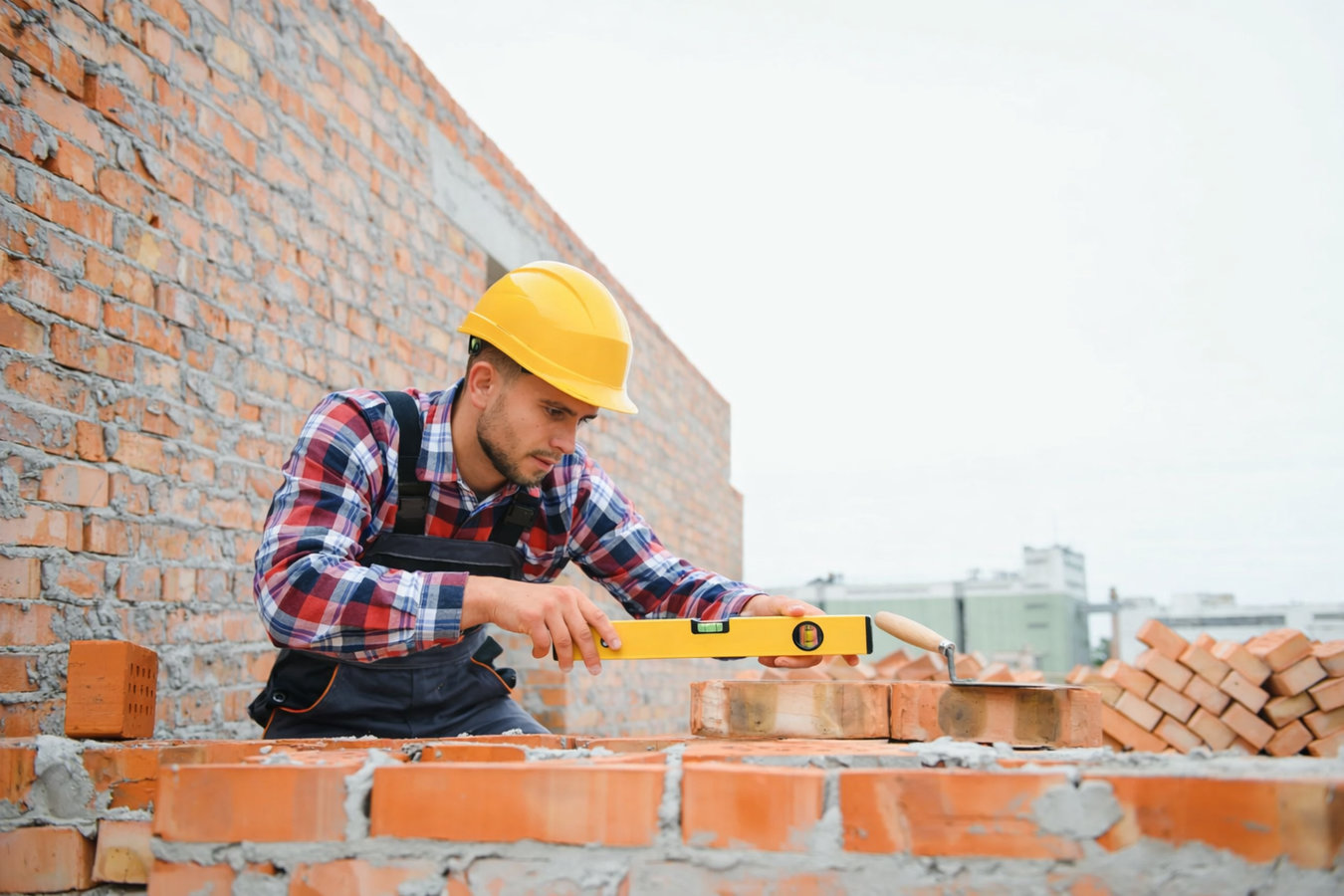
Brick repair in Palo Alto covers everything from removing old, failing mortar and packing in fresh material to replacing individual cracked or spalling bricks, most jobs are completed in one to three days with no need to leave your home.
Brick is one of the most durable building materials ever used - it is almost always the mortar that fails first, not the brick itself. When you see gaps, crumbling, or white chalky streaks on your wall, the mortar is failing. Left alone, water gets behind the brick face and starts the cycle of spalling and structural damage that costs significantly more to fix. Palo Alto homes built before 1960 are especially at risk because the original lime-based mortar has a natural lifespan and Bay Area seismic activity accelerates its wear. If the damage has progressed beyond mortar alone, we can discuss full masonry restoration to get the structure back in shape.
Call us or submit an estimate request and we will respond within one business day.
Run your finger along the mortar lines on your chimney, garden wall, or exterior. If the mortar crumbles away easily, feels soft, or has visible gaps, it is no longer keeping water out. This is the most common and clearest sign that repointing is needed - and the most affordable time to address it.
That chalky residue is efflorescence - mineral salts left behind when water moves through your wall and evaporates. In Palo Alto's wet winters, this is common on older brick chimneys and garden walls. It means water is getting in somewhere and the source needs to be found and sealed before deeper damage sets in.
This diagonal crack pattern is common in Bay Area homes because small seismic shifts and expansive clay soils can push a wall slightly out of alignment over time. A stair-step crack that is wider at one end is worth having a mason assess - it may indicate movement at the foundation level, not just surface settling.
Chimneys take more weather exposure than any other part of a brick structure, and on Palo Alto's older homes the chimney mortar often goes first. If you can see daylight between bricks, notice a tilted cap, or see bricks that look slightly out of line, that repair should not wait - water getting into a chimney can damage the interior of your home.
Every brick repair job starts with an honest assessment of what the wall actually needs. For most Palo Alto homes, that means removing old, damaged mortar to the correct depth, testing the existing mortar composition, and mixing a replacement that matches the original softness and color. Using a modern hard mortar on an older lime-based wall is one of the most damaging shortcuts in this trade - it prevents natural movement and can crack the bricks themselves over time. We avoid that, and we explain what we are doing before we start.
When individual bricks are cracked, spalling, or missing, we source matching units and set them properly so the repair blends with the rest of the wall. For more involved projects - like a chimney that needs rebuilding from the roofline up or a retaining wall that has shifted - we also offer driveway pavers and broader masonry restoration so you can address related issues in a single project.
Best for homeowners where the bricks are intact but the mortar lines are crumbling, recessed, or showing efflorescence.
Suits situations where specific bricks are cracked, spalling, or have corner damage and need to be removed and reset.
For chimneys showing stair-step cracks, tilted bricks, visible gaps, or mortar failure after Bay Area seismic events.
Ideal for older Palo Alto homes in Professorville or Crescent Park where the original lime-based mortar must be matched to avoid brick damage.
Palo Alto has a concentration of homes built in the 1920s through 1950s, especially in Professorville, Old Palo Alto, and Crescent Park. The mortar used in that era was lime-based and considerably softer than modern mixes - which made it good at absorbing the micro-movement caused by Bay Area earthquakes. That softness also means it has a natural lifespan, and many of those original walls are now at or past the point where the mortar needs replacing. The Bay Area's expansive clay soils compound the issue: those soils swell and shrink with every wet and dry season, putting stress on foundations, retaining walls, and anywhere brick meets grade.
Palo Alto's rainy season - concentrated between November and March with roughly 15 to 17 inches of rain per year - means any open mortar joint is a seasonal water entry point. Getting brick repair done before the rains arrive is the smartest timing. We regularly work in Mountain View and Redwood City as well, where the same housing vintage and clay soil conditions create the same brick repair patterns.
When you reach out we will ask where the damage is, how old the home is, and whether you have noticed any cracks after recent earthquakes. We reply within one business day. Most Palo Alto jobs require a quick site visit before we can give you a firm price.
We walk the area, look at the crack patterns, and check whether bricks need to be replaced or just the mortar between them. On older homes we test the existing mortar to understand its composition. You receive a written, itemized estimate after the visit - nothing starts until you approve it.
The crew removes old mortar to the correct depth, mixes a replacement matched to your existing brick, and packs it in firmly. If bricks need replacing, they are set at this stage. Mortar smearing is cleaned off the brick faces as the work progresses - a sign we care about the finished look.
Before we pack up, we walk the finished work with you. Joints should look clean, uniform, and close in color to the original. Fresh mortar needs 24 to 48 hours before it gets wet - no sprinklers or heavy rain against the repaired area during that window.
Written estimate after we see the job. No surprises on the invoice. We reply within one business day.
(650) 509-3392On older Palo Alto homes, using the wrong mortar hardness is one of the most damaging mistakes a contractor can make. We test the existing mortar before mixing anything new, so the repair matches the original composition and does not stress the surrounding brick. This step is standard practice for us - not an upgrade.
Stair-step cracks and diagonal joint openings are common in this region because clay soils and seismic activity shift foundations gradually over time. We know the difference between a cosmetic surface crack and a sign of something moving underneath, and we tell you clearly which one you have.
California state law requires a C-29 Masonry Contractor license for masonry work valued at $500 or more. You can verify any contractor on the California Contractors State License Board website. We carry the required license, general liability insurance, and workers compensation coverage - protecting you if anything goes wrong.
We work throughout Palo Alto, Menlo Park, Mountain View, Redwood City, and surrounding Peninsula cities. If you are unsure whether your home falls in our service area, call us and we will tell you directly - no runaround.
Brick repair done right the first time protects your wall for years. Done wrong, it fails inside of two seasons and leaves you paying twice. We take the preparation seriously - and we give you a written estimate upfront so you know exactly what you are getting. The National Park Service Preservation Brief on repointing is a solid reference for understanding what quality mortar work looks like.
Replace cracked or uneven driveway surfaces with properly set pavers that handle Palo Alto clay soil movement.
Learn MoreFull structural and cosmetic restoration for brick and stone features where the damage goes beyond individual joint or brick replacement.
Learn MoreEvery rain cycle that passes with open joints or cracked brick adds to the repair scope. Call us today or submit an estimate request and we will follow up within one business day.