Serving Palo Alto, CA and surrounding areas. (650) 509-3392
Crumbling mortar lets water into your walls with every winter rain. We remove the old material, pack in matched mortar, and leave your brick looking clean and protected.
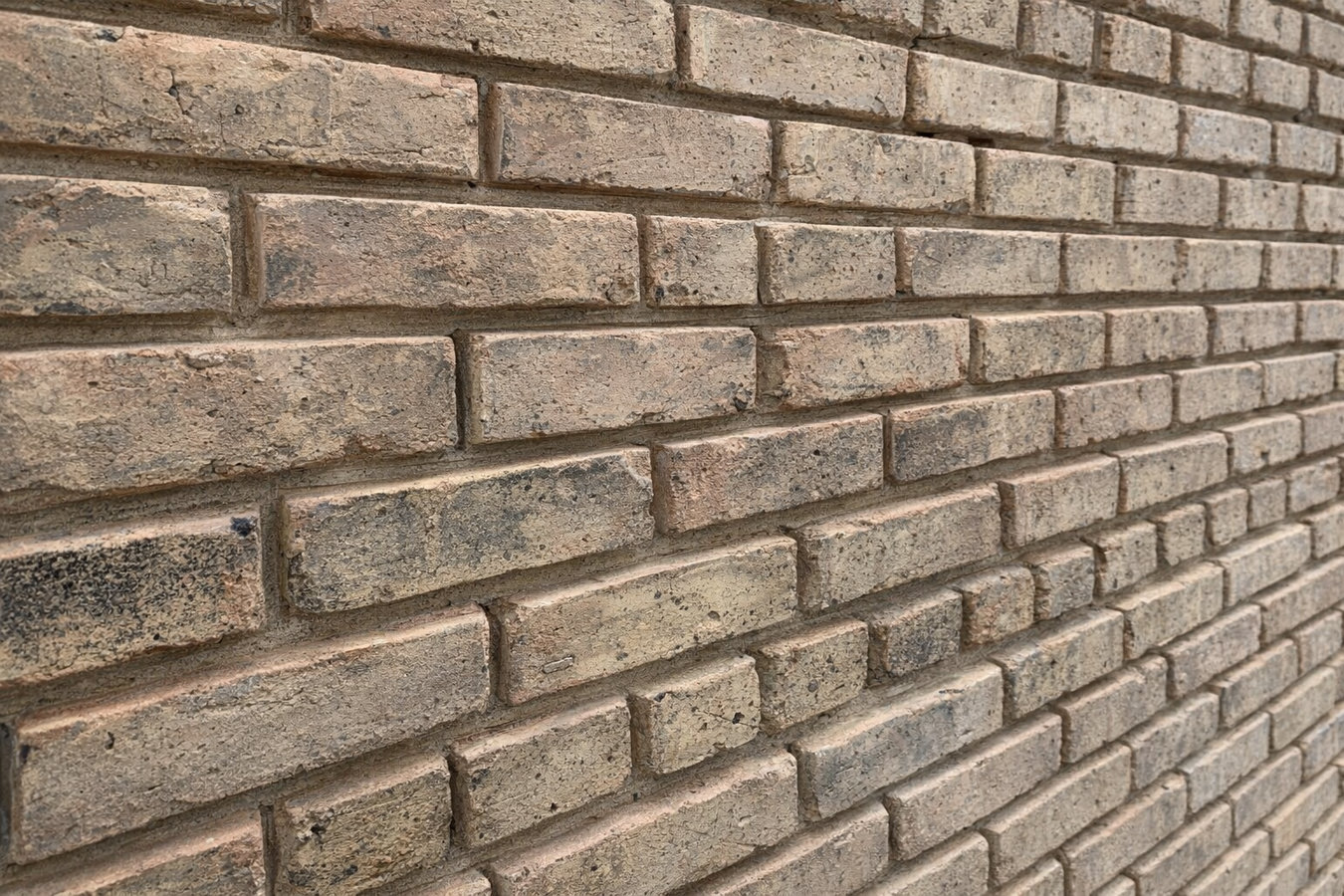
Tuckpointing in Palo Alto means carefully removing worn mortar from the joints between bricks or stones and packing in fresh mortar that matches the original, most single-chimney jobs take one to two days and require no demolition.
If your brick chimney or garden wall is showing soft, crumbly lines between the bricks, water is already finding its way in with every rain. Palo Alto homes built before 1960 are especially likely to need attention - the lime-based mortar used back then has a natural lifespan, and Bay Area seismic activity shortens it further. Catching failing mortar now costs a fraction of what full brick repair costs once water has worked behind the wall for a season.
We serve homeowners across Palo Alto and the surrounding Peninsula cities. Call us or submit a request and we will reply within one business day.
Run a key or your fingernail along the joints on your chimney or wall. If the mortar feels soft, powdery, or flakes away easily, it has lost its binding strength. Healthy mortar resists scratching and holds firm - what you are feeling is a wall that is no longer keeping water out.
Stand back and look at your chimney or brick wall from a few feet away. If the mortar lines look visibly lower than the brick faces - sunken rather than flush - water is already channeling into those gaps with every rainfall. Palo Alto winters are wet enough that those gaps act like small funnels directing moisture into the wall.
That white residue is called efflorescence - mineral salts left behind when water moves through masonry and evaporates on the surface. It is most visible on chimneys and north-facing walls after the rainy season ends. It is a reliable sign that water is traveling through your mortar joints, not just running off the surface.
Even small earthquakes create micro-movement in masonry that opens hairline cracks invisible from the ground. If your Palo Alto chimney has not been inspected since the last significant Bay Area tremor, there is a real chance the joints have stress damage that only shows up on close inspection. Finding it now is far less expensive than discovering it mid-winter.
Our tuckpointing work starts with carefully cutting or chiseling out the old mortar to the right depth - about three-quarters of an inch - before any new material goes in. Skipping or rushing this step is the most common shortcut in this trade, and it causes new mortar to fail within a couple of years. We then mix mortar matched to your existing brick and joint profile, pack it in by hand, and shape it cleanly. The result should be joints that are uniform, flush, and close in color to the original - not a visible patch job.
We handle chimney repointing, garden and perimeter wall joints, exterior house walls, and decorative brick features. When the damage has advanced beyond mortar alone, we discuss brick repair options openly so you understand exactly what your job needs. For chimneys with deteriorated crowns or flue issues, we can also coordinate with our brick pointing work to address the full scope in one visit.
Best for homeowners with aging brick chimneys showing soft or recessed mortar joints before the rainy season.
Suits homes with visible joint erosion on garden walls, perimeter walls, or exterior house brick that has not been touched in decades.
Ideal for older Palo Alto homes in Professorville or Crescent Park where the original lime-based mortar must be matched precisely to avoid damaging surrounding brick.
For homeowners who want hairline cracks and stress damage assessed and repointed after a Bay Area seismic event.
Palo Alto has a large share of homes built between the 1920s and 1960s, particularly in neighborhoods like Crescent Park, Old Palo Alto, and Professorville. Many of those homes have original brick chimneys and garden walls that have never been repointed. Mortar from that era was softer and more flexible than modern mixes - it absorbed seismic movement and weather stress so the bricks themselves would not crack. But that same softness means it wears down over time, and the Bay Area's seismic activity accelerates that process. Even tremors you barely feel create micro-movement that widens joints year over year.
Add in Palo Alto's pattern of dry summers followed by sustained winter rains - roughly 15 to 17 inches per year between November and March - and open mortar joints become a real liability. Water enters during the wet season, works behind the brick face, and starts the cycle of spalling and staining that ends in a far more expensive repair. We work regularly in Menlo Park and Los Altos as well, where the same housing vintage and soil conditions create the same tuckpointing needs.
Reach out by phone or through the contact form and we will reply within one business day. We will ask a few quick questions - type of masonry, rough size, and any earthquake or water damage history - so we can schedule the right amount of time for your visit.
We walk the masonry with you, look closely at the joints, and check for any water damage or structural movement. This visit takes 20 to 45 minutes. You will receive a written, itemized estimate after the visit - no vague ranges, no add-ons after the work starts.
The crew carefully removes old mortar to the correct depth - about three-quarters of an inch - then packs in fresh mortar matched to your existing brick. Expect some dust and grinding sounds in the morning. Cleanup of loose debris happens at the end of each day.
We walk the completed work with you before packing up. Joints should be uniform, cleanly shaped, and free of smears across the brick faces. Fresh mortar needs 24 to 48 hours before it gets wet, so we plan around the weather forecast.
Written estimate after we see the job. No surprises on the invoice. We reply within one business day.
(650) 509-3392Using mortar that is harder than the original brick is the most damaging shortcut in this trade - it prevents natural movement and can crack the bricks themselves. We test existing mortar before mixing anything new, which is especially important on older Palo Alto homes where lime-based mixes are common.
We have tuckpointed chimneys, garden walls, and exterior brick throughout Palo Alto, Menlo Park, and surrounding Peninsula cities. We know the housing vintages here, the typical mortar compositions, and the effects of Bay Area seismic activity on masonry joints.
California requires a C-29 Masonry Contractor license for masonry work valued at $500 or more. We carry that license, general liability insurance, and workers compensation coverage - so you are protected if anything goes wrong on the job.{" "} The{" "} Brick Industry Association{" "} maintains standards we follow for mortar selection and joint preparation.
In a market where Bay Area labor costs run well above national averages, you deserve to know exactly what you are paying for before anyone picks up a tool. We give you a written, itemized estimate after seeing the job in person. What we quote is what you pay.
Tuckpointing is detail work - the difference between a repair that holds for 25 years and one that fails in two is almost entirely in the preparation and mortar matching. We take both seriously, and we back the work with a written estimate so you know what to expect from start to finish. Learn more about tuckpointing standards from the Brick Industry Association.
When failed mortar has already let water behind the brick face, we replace damaged bricks and restore the wall's structure.
Learn MorePrecision joint finishing for chimneys and decorative brickwork where profile and color matching are the priority.
Learn MoreEvery wet winter that passes with open joints adds to the repair bill. Call us or submit an estimate request today and we will be in touch within one business day.